Victoria's endangered brolgas face a heightened risk of losing genetic diversity as wetland habitat comes under pressure, researchers have found. Fresh ABC reporting on the species highlights both the genetic concerns and promising signs from wetland restoration across south-west Victoria and south-east South Australia.
The Macquarie University-led research identified two genetic groups: one represented by Victorian birds and another including birds from New South Wales, Queensland and the Northern Territory. Its September research release said the differences reflected reduced gene flow between Victorian brolgas and those living further north.
The study, published in Conservation Genetics, analysed DNA from feathers collected between 2009 and 2023, with citizen scientists contributing samples. Researchers examined 125 birds using 7,712 genetic markers. The published paper places Victoria's census estimates below 1,000 and notes the species is listed as endangered in the state.
Simulations suggested the southern group could be more vulnerable to genetic erosion when populations suffer severe reductions. The researchers also identified genetic risks for the larger northern group, emphasising that protecting habitat matters for both populations rather than treating the northern birds as immune to future pressures.
Lead researcher Abby Bryce told the ABC that genetic diversity can help a population withstand extreme events because some individuals may possess traits that improve survival. She said wetland loss, degradation and climate change were limiting the habitats and conditions available to brolgas in Victoria and south-east South Australia.
The research release said breeding seasons differ between tropical and temperate regions, limiting opportunities for genetic mixing. Southern birds breed in winter and spring, while northern birds breed in summer and autumn. Observations also show brolgas returning to the same breeding and flocking wetlands over multiple years, reinforcing the importance of protecting and reconnecting those habitats.
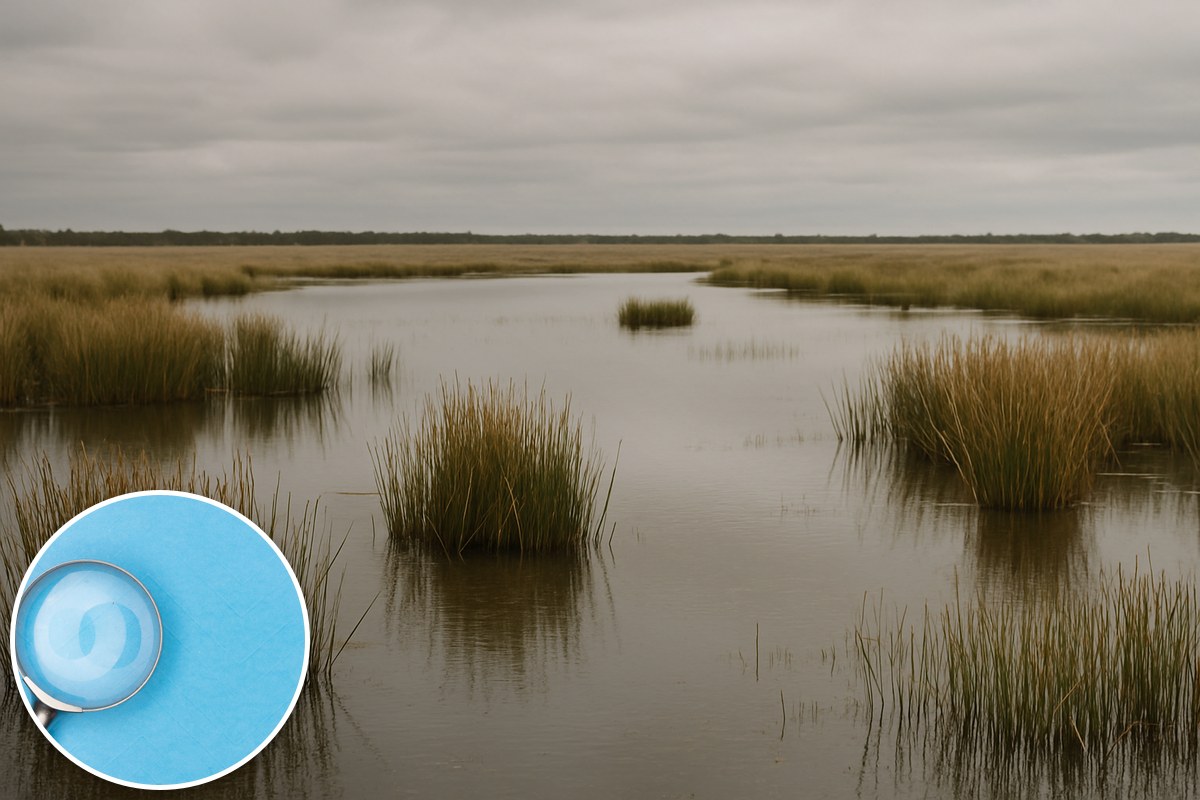
Restoration work is already attracting birds, according to Nature Glenelg Trust director Mark Bachmann. He told the ABC that brolgas find restored wetlands when the sites have suitable conditions. Green Swamp, a restored wetland in the Southern Grampians, has recorded gatherings of up to 250 birds at one time, the broadcaster reported.
The ABC also reported that water restoration led by Gunditj Mirring at Tae Rak, or Lake Condah, had seen brolgas return. The corporation's Damein Bell described the birds as an important indicator of country health for Gunditjmara people, linking their presence and breeding to the condition of the landscape.
The study's authors recommended prioritising wetland conservation and restoration to maintain connections between habitats, support population recovery and preserve genetic stability. They also called for further research combining ecological and genetic information to better assess the southern population's vulnerability and guide conservation management.