Earthquake aftershocks in Gippsland have renewed calls for Victorians to practise how to protect themselves when the ground shakes. The State Emergency Service will run drills in the region’s schools, workplaces and community groups next week, the ABC reported on Friday, as scientists warned that further tremors remained possible.
The activity followed Saturday’s earthquake near Leongatha. Scientists told the ABC’s Gippsland report that the recent aftershocks were expected rather than unusual. They also cautioned that it was impossible to know whether a larger event would follow, reinforcing the importance of preparedness rather than a prediction of another major earthquake.
Geoscience Australia seismologist Michelle Salmon told NewsWire that aftershocks could potentially continue for months, although they should become smaller over time. In its report published on Friday, she pointed to the forthcoming Great ShakeOut as a reminder for people to rehearse what to do during an earthquake.
The VICSES campaign encourages schools, workplaces and community groups to plan a drill for Thursday 15 October. Part of an international earthquake-readiness programme, the exercise can take place at work, school or home. VICSES asks groups to register their drills so participation can be tracked locally and through the global ShakeOut programme.
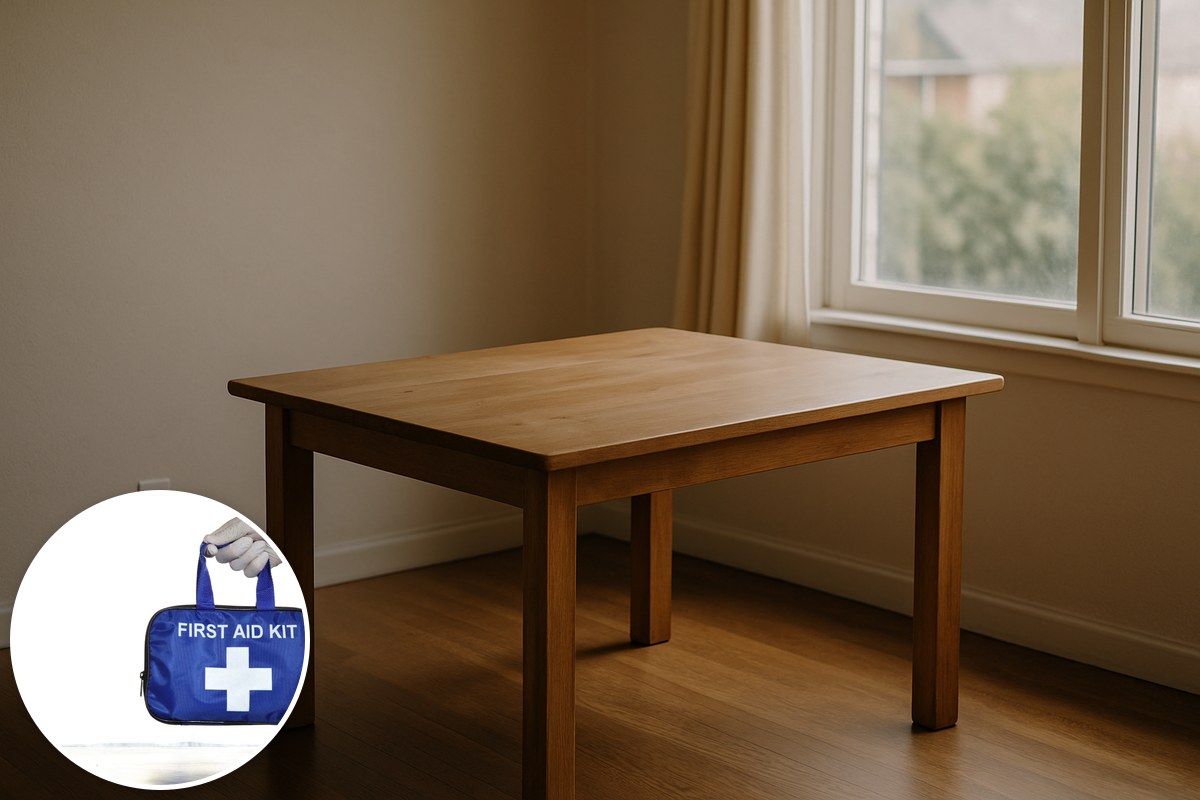
The recommended response is to drop to the ground, cover the head and neck with the arms and move under a sturdy table or other piece of furniture, then hold on until shaking stops. Practising those steps is the focus of the drills. The advice is about protecting people while an earthquake is occurring, not forecasting when the next one will arrive.
Geoscience Australia’s safety guidance says people without cover available should move next to an interior wall and protect their head and neck. They should remain in place until the shaking stops and they are sure it is safe to exit. The agency also advises adapting the response when getting to the ground safely is not possible.
For people using a walker or wheelchair, the guidance is to lock the wheels where applicable, cover the head and neck, and hold on until it is safe. People using a walking stick who cannot safely drop may sit on a bed or sturdy chair and protect their head and neck, keeping their mobility aid close.
The agency’s drill instructions for 2026 include a script and directions for using guided audio. Although the international exercise falls on 15 October, groups can hold a drill on any day of the year. The script also reminds participants to check for hazards before leaving their shelter after shaking stops.
Geoscience Australia says felt reports from the Woods Point earthquake in September 2021 showed that many people did not know, or did not take, the recommended protective actions. Reports submitted after an earthquake help the agency understand how strongly shaking was experienced in different locations and provide rapid advice to emergency services about the most affected areas.