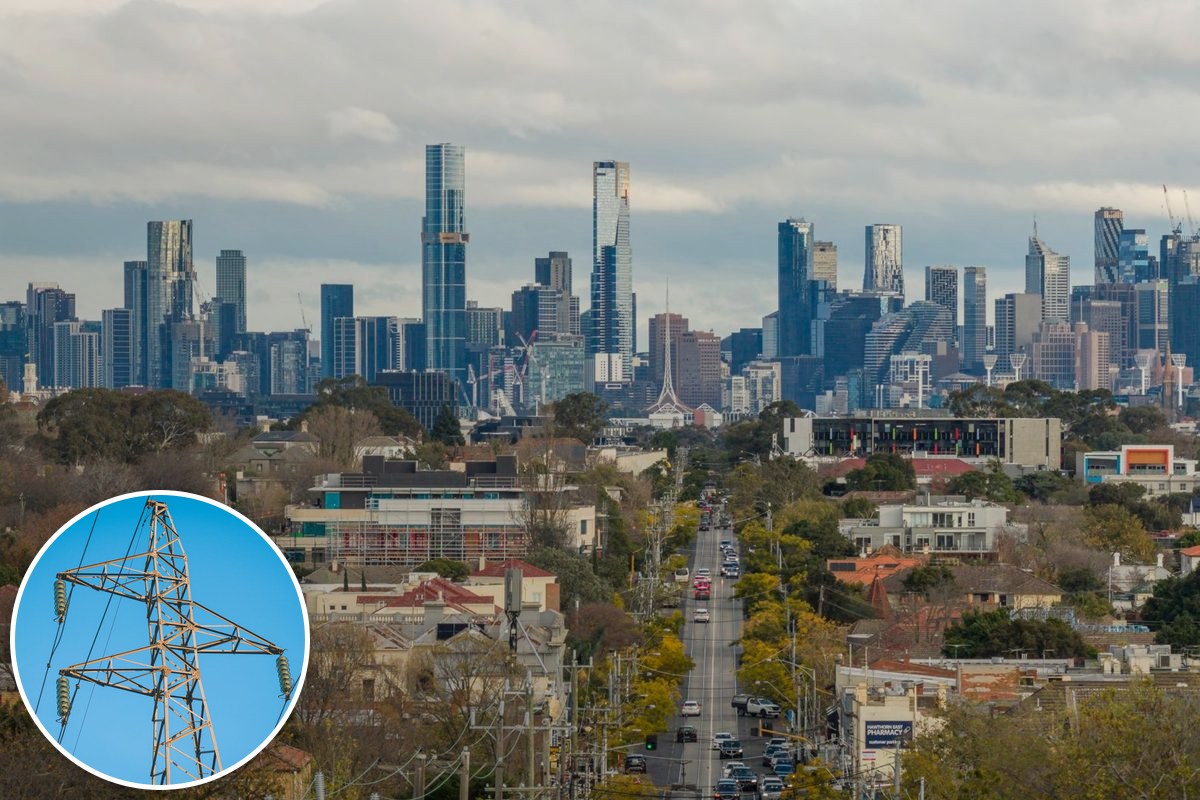
Premier Ben Carroll goes into the Victorian election on November 28 without the vocal backing of several of the state's trade unions, some of which are now urging members to vote for someone else, ABC News reported on Tuesday.
The ABC said the retreat began late last month, when the Electrical Trades Union and the Australian Services Union withdrew their support. The ASU also launched attack ads against the Premier over his refusal to remove a cap on council rate rises.
Who has walked away
According to Guardian Australia, the ETU state council resolved not to run a statewide campaign for Labor, even though it spent more than $1.6 million supporting the party at the last election. The money is being redirected to support members who could be called before the construction royal commission.
The ASU said it would not doorknock for Labor. "Premier Ben Carroll has chosen not to show up for workers and so workers can't show up for him this November," said Tash Wark, secretary of the union's Victorian branch. A Victorian government spokesperson responded that "Ben Carroll is fighting for working people".
Other unions followed. The Community and Public Sector Union told Guardian Australia it would not support Labor, criticising public service job cuts while the government spent $1.2 billion on consultants. "If Ben Carroll's government won't commit to no job cuts in the public service, then our union cannot support him," secretary Jiselle Hanna said.
Health Workers Union secretary Jake McGuinness reportedly told members last week he could not recommend a vote for Labor, the ABC said, adding that he would meet Liberal leader Jess Wilson to discuss workers' concerns. Luke Hilakari from Victoria's Trades Hall Council accused Mr Carroll of "abandoned promises", and the United Firefighters Union, in a long-running dispute with the government, urged Victorians to "put Labor last".
Will it matter?
Nicholas Barry, a senior lecturer in politics at La Trobe University, told the ABC that unions often hesitate to back an unpopular government. "What's surprising on this occasion though is the number of unions that have basically been critical of the government," he said. Unions usually supply volunteers to doorknock and hand out how-to-vote cards at polling booths.
The disputes have built up over time. Teachers went on strike this year for the first time in 13 years, council workers walked off the job at eight Melbourne councils in April, and doctors and allied health professionals took industrial action last month. "You've had three terms for all these resentments to build up," Mr Barry said.
Paul Strangio, an emeritus professor of politics at Monash University, doubts the split will decide the result after 12 years of Labor government. "It's not really the straw that's going to break the camel's back for the Labor government, because of that political circumstance," he said. He contrasted it with the 1992 tram dispute: "That was a time when the unions helped bring the Labor government to its knees."
If the withdrawal does count anywhere, Mr Barry said it could be in seats in Melbourne's industrial west and north. "They're the kind of electorates where One Nation is potentially a threat," he said. Some unions have pointed members towards the Greens or Victorian Socialists, but he said a drift to the Liberals was unlikely.
Both academics expect any rift to be temporary if the Coalition wins. "When Liberal governments are elected and if they bring in industrial relations reform, which happens quite often, what tends to happen is it can catalyse the union movement and unite them in opposition again," Mr Barry said.