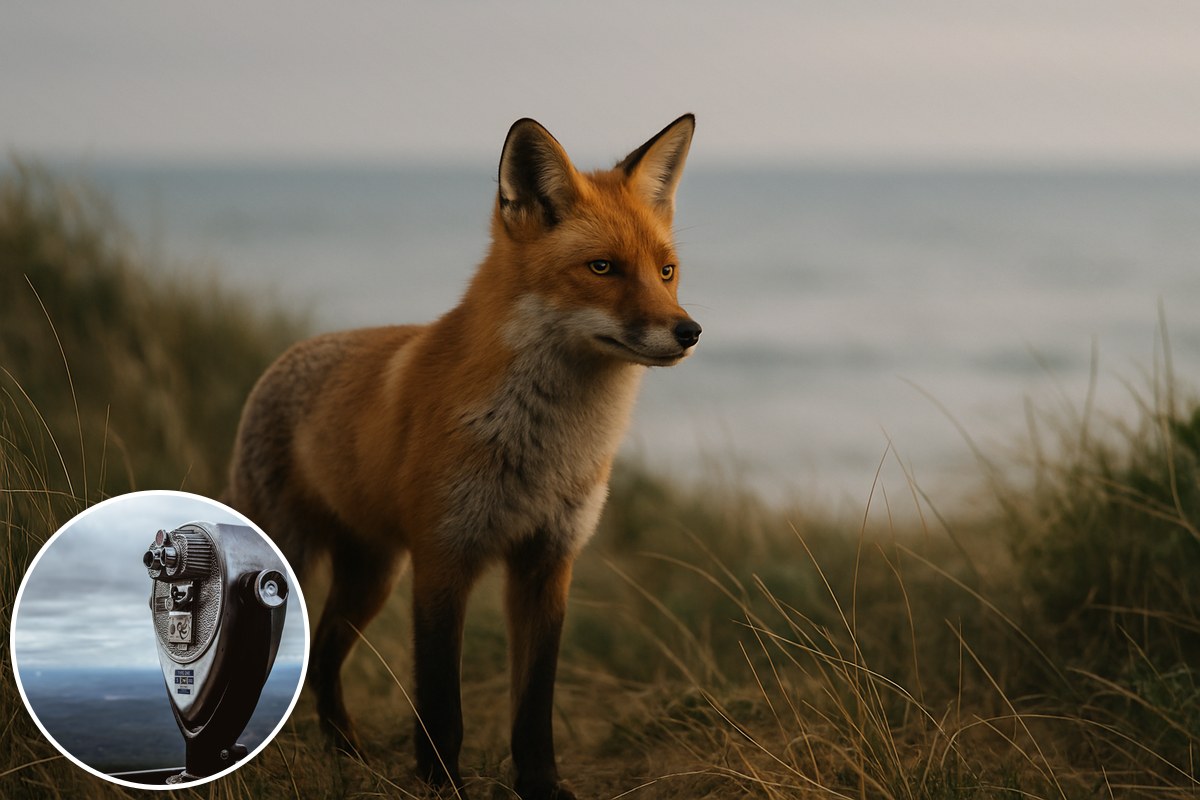
H5 bird flu has crossed into mammals in Victoria. A red fox found dead at Torquay has been confirmed as the state's first recorded mammal case, the ABC reports, and authorities suspect the virus also killed a dolphin found dead at Lorne — suspected, not yet confirmed.
"We have now confirmed H5 bird flu in a red fox recently found at Torquay collected through our ongoing surveillance and monitoring effort," acting chief veterinary officer Cameron Gunn said. The reassurance came in the same breath: wild foxes and other scavenging pests "have not generally been shown to spread the actual virus when they become infected", Dr Gunn said — the greater risk is foxes moving infected carcasses around.
The outbreak by the numbers
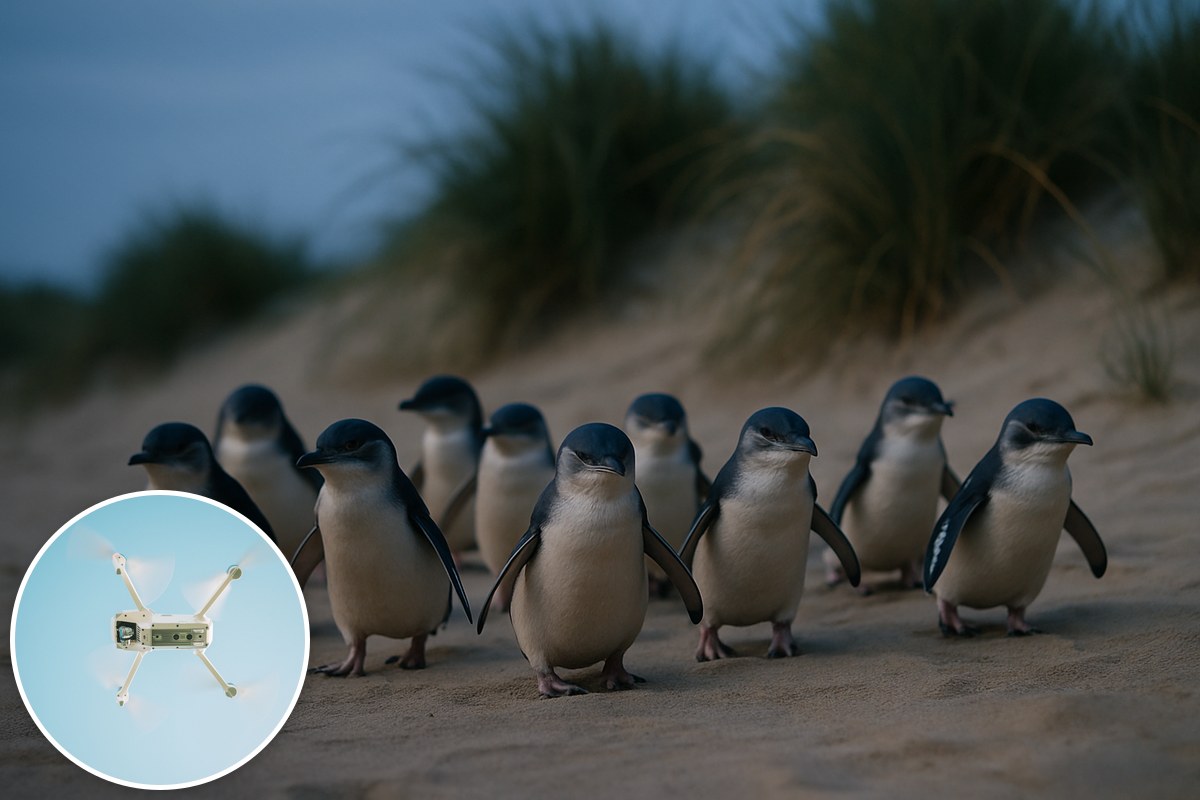
Since June 20, Victoria has recorded 212 positive cases in birds from 892 investigations, across species including greater crested terns, magpies and little penguins. A Phillip Island penguin died of the virus last month, and the state has since vaccinated about 1,000 little penguins across Phillip Island and St Kilda Pier — birds that chief biodiversity officer James Todd says have shown an immune response with no adverse effects. His caveat travels with the program: vaccination "is not a silver bullet", Dr Todd said. "It is a tool that can be used in targeted situations, mostly for captive populations and highly managed and well-studied wild populations like little penguins at Phillip Island and St Kilda."
Detections in seals and dolphins were, in Dr Todd's telling, not unexpected — a dolphin died of H5 on South Australia's Fleurieu Peninsula a week before Lorne's — and the virus is expected to spread to new species and other parts of Victoria.
Spring is the risk window
The timing shapes the response. "Particularly as we head into the spring breeding season, where large numbers of birds typically flock and aggregate around, for example, coastal estuaries and inland waterways and wetlands," Dr Todd said. Surveillance is now concentrated on the areas deemed high-risk: the Mornington Peninsula, Port Phillip Bay, Western Port Bay and the Gippsland Lakes. Threatened species in captivity are to be prioritised for vaccination.
The concern from conservationists runs ahead of the official measured tone. Birdlife Australia's Sean Dooley said the virus could spread "quite rapidly", and that his greatest worry is it reaching breeding colonies of endangered species. Interstate, the count keeps ticking: a dead bird on Sydney's northern beaches last week became that city's first case, taking NSW's total to 20, and NSW announced its own vaccination program in August.
What began in June as a Victorian bird story now has a fox, a suspected dolphin, a peninsula, two bays and a lake system under watch, and about 1,000 penguins already vaccinated. The virus is moving through the food web on schedule — the officials' word for all of it, repeatedly, is "expected". The question spring will answer is whether expected also means contained.