Victoria lifted its temporary poultry housing order on Friday, ending confinement requirements across metropolitan Melbourne and southern parts of the state while H5 bird flu continued to spread among wildlife. The ABC reported that flocks of 50 or more birds had been required to stay indoors or otherwise be confined since early August.
Agriculture Victoria considered animal welfare and forecasts of hotter-than-average summer temperatures when deciding to end the requirement, according to the ABC. At the time of its report, H5N1 had not been detected in Australian poultry or livestock, despite its continuing presence in wildlife.
The change does not end the need for precautions. Victoria's chief veterinary officer, Graeme Cooke, urged poultry owners to continue taking practical steps to separate their birds from wild birds wherever possible. He said authorities would keep monitoring the risk and could introduce additional controls if circumstances changed.
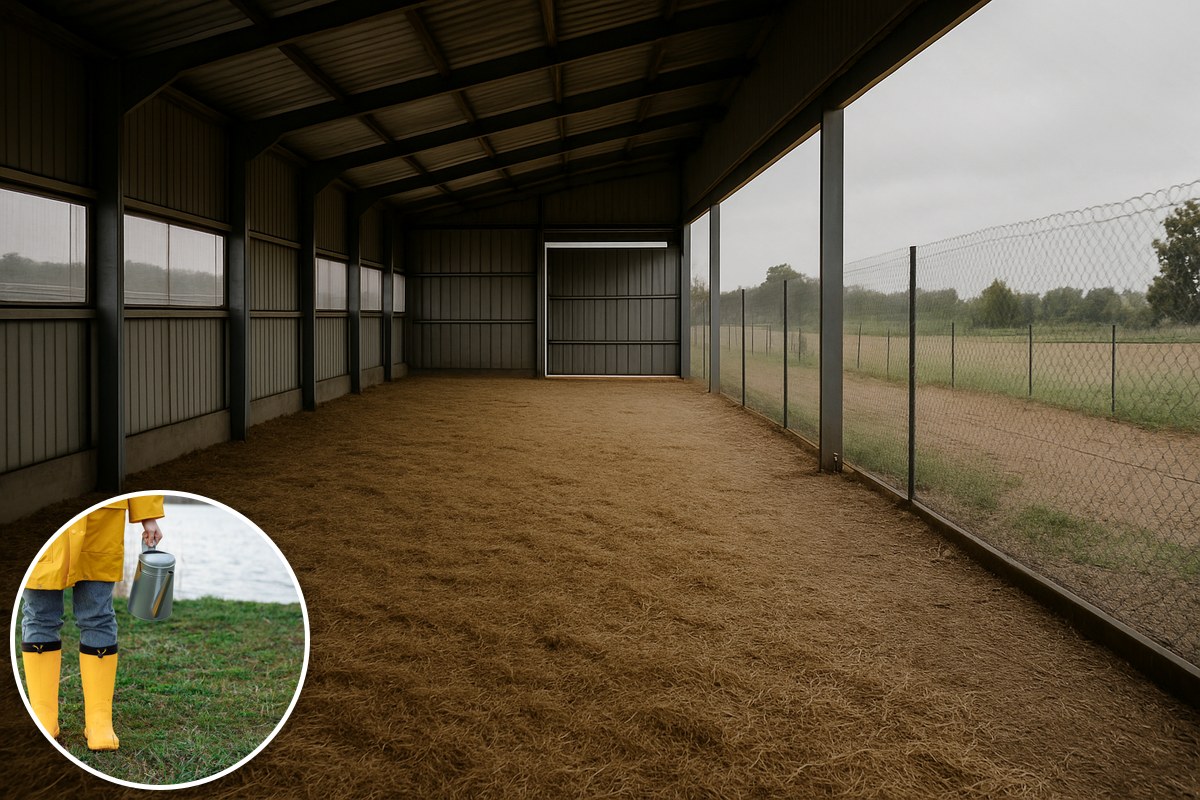
The Sentinel-Times reported that protecting feed and water from wild birds, and preventing them from entering poultry sheds and yards, remained important. Producers were encouraged to review their biosecurity plans, watch for signs of disease on or near their properties and keep up with current advice.
Asked about poultry shows, Cooke said committees would need to assess their own level of risk, the Sentinel-Times reported from his ABC Country Hour interview. He also encouraged owners who could feasibly continue housing their birds to do so, including commercial producers and people breeding poultry for shows.
Federal agriculture guidance explains that infected birds can spread the virus through body fluids, droppings and feathers. It can also spread on contaminated clothing, shoes, vehicles, equipment and water, making hygiene measures relevant even where flocks are kept apart from wildlife.
The federal advice recommends quarantining new stock before it enters a flock, limiting visitors and keeping vehicles, equipment and footwear clean and disinfected. Covering feed and water supplies and cleaning up spilled feed can reduce access by wild birds and other wildlife that may be attracted to a property.
Owners are advised to look for signs including sudden deaths, lethargy and an unusual reduction in egg production. Suspected infection must be reported, with the federal department directing people to the 24-hour Emergency Animal Disease Hotline on 1800 675 888.
Members of the public should not touch sick or dead birds or other wildlife, according to advice reported by the Sentinel-Times. They should record the location and report what they find, including through the hotline, so authorities can use those reports to support disease surveillance.