Darebin councillors have voted to end the municipality's six-month trial of shared Lime e-bikes and e-scooters, a decision the ABC reports marks the end of shared e-scooters north of the Yarra River. The trial had been running in the council's southern suburbs — Northcote, Fairfield and Alphington.
The number that ended it: council officers found 93 per cent of community feedback on the scheme was negative. "Throughout the trial, residents continued reporting e-scooters and e-bikes blocking footpaths, parked incorrectly and creating accessibility issues, riders with no helmets, e-scooters and e-bikes travelling on footpaths," Mayor Emily Dimitriadis told the council meeting.
What the trial actually did
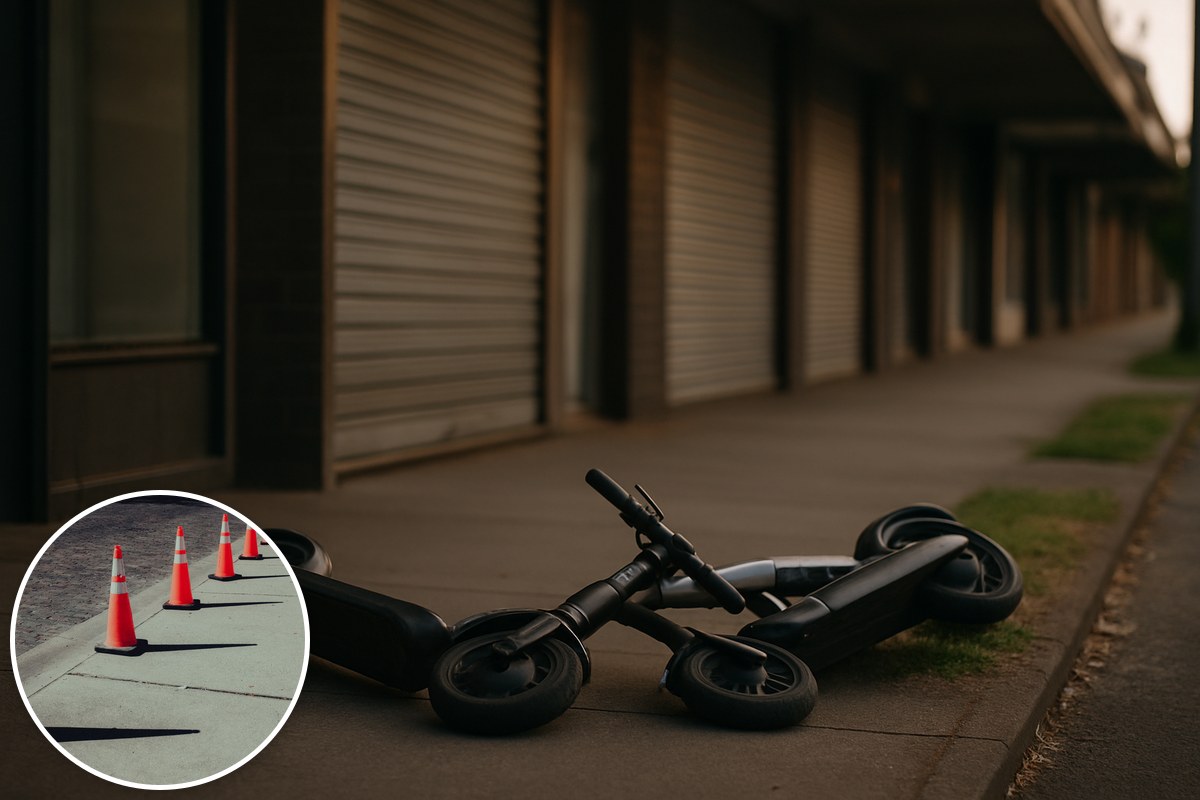
Over six months the devices logged 14,725 trips — an average of 98 a day, at an average of 2.15 kilometres each. Officers found most riders used them to connect to public transport, and that usage peaked overnight. The tidiness problem, though, was measurable: when officers inspected the 279 allocated parking bays, "untidy parking including non-compliant, toppled or misplaced devices was observed at 30 per cent of all bays," the council report said.
The money did not stack up either, according to the mayor. Lime paid Darebin $18,000, but the scheme still ran over budget. "Council not only spent $50,000 to set up the trial, it also spent more money administering and managing the trial," Cr Dimitriadis said.
"The modern-day monorail"
The trial's most quotable opponent was resident Matthew Zammitt, whose petition against the scheme drew 1,227 signatures. He told the meeting he had struggled to get a pram around abandoned e-bikes, with devices blocking footpaths, driveways and train station entrances. "It's the modern-day monorail," he said — a reference to the Simpsons episode in which a town buys a transport scheme that goes nowhere. "Councils are being duped into thinking that this solves transport woes."
The defence came from the scheme's own history. Former mayor Suzanne Newton, who brought the original scheme to Darebin, told the meeting it had real benefits for the climate and for getting people out of cars — "particularly for the so-called last mile journey, to get people home from the train or tram or bus." She pointed out that nearly half of all trips started or ended at a public transport stop, and 37 per cent were said to replace a car journey.
Councillor Ruth Jelley wanted the trial to continue, noting officers found riders had saved about 1.16 tonnes of carbon emissions. "How can we call ourselves climate leaders if we fail to deliver on key actions in our climate emergency plan?" she asked. "We are now falling behind NSW and other cities around the world in supporting micromobility through shared schemes such as this. Short-termism is killing our climate leadership ambitions, and it's also killing our planet."
Riding on regardless
The vote removes the shared fleets, not the machines themselves: privately owned e-scooters that meet the state's requirements remain legal to ride under the state's e-scooter road rules. What Darebin's decision ends is the grab-one-leave-it-anywhere model — which, on the evidence before the council, was precisely the part its residents could not live with. Ninety-three per cent of the feedback said so; the 98 trips a day the fleet was clocking did not get a vote to match.