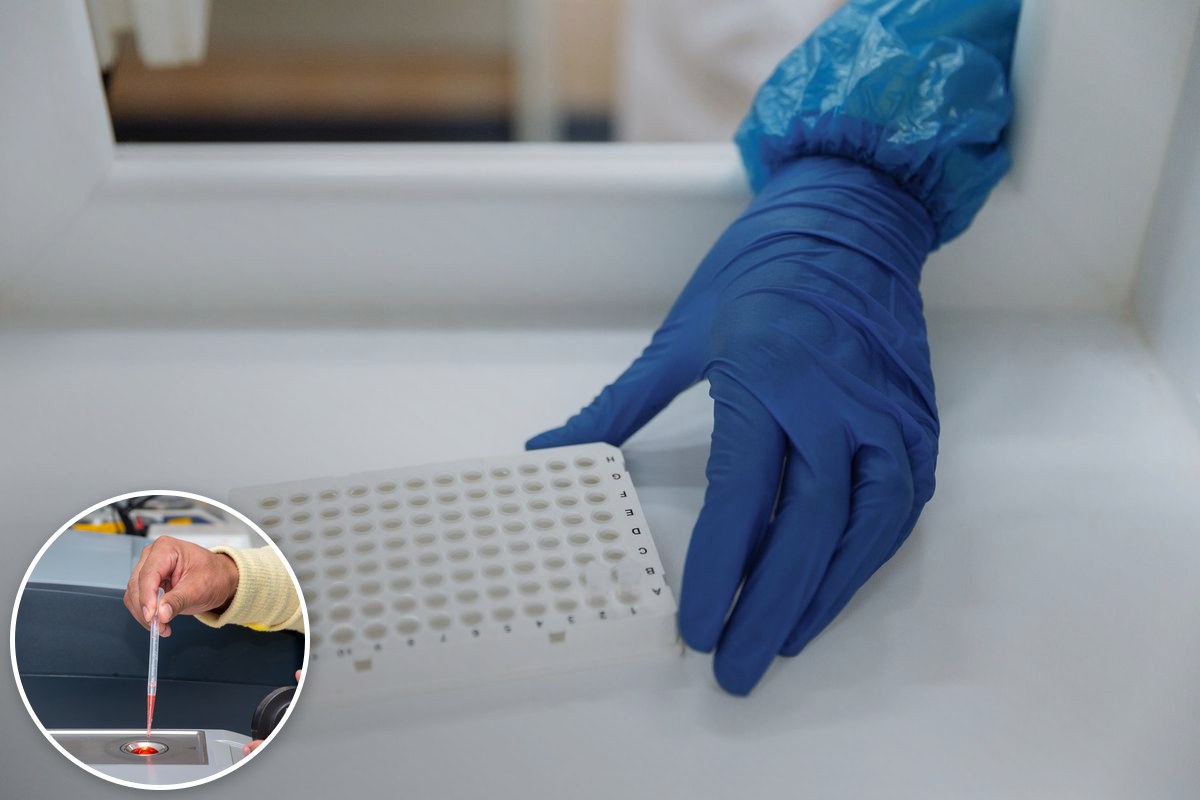
Victoria's pill testing service has completed its first year, and the state government released the numbers on Thursday. Since it launched in August 2025, close to 3,000 people have used it and more than 5,000 drug samples have been tested.
The finding that matters most is this one: around 12 per cent of samples contained an unexpected psychoactive substance with the potential to cause serious harm. Roughly one sample in eight was not what the person carrying it believed it to be.
The government is direct about the limits of what that means, and the caveat belongs near the top rather than the bottom. "Pill testing does not make drug use safe," the announcement says, "but the evidence shows it helps people make safer and more informed choices." Ingrid Stitt, the Minister for Mental Health, put it more bluntly still: "No drug is safe."
What the testing turned up
The fixed site has issued 28 drug notifications warning the community about dangerous substances. Two of those were urgent alerts about nitazenes, synthetic opioids the government describes as up to 1,000 times stronger than morphine. The service has also handed out 700 units of naloxone, the medication used to reverse an opioid overdose.
Alongside the testing itself, more than 2,500 conversations took place between people using the service and harm reduction workers. Almost 40 per cent of those people said it was the first time they had ever spoken to a health professional about their substance use — which is arguably the more consequential statistic, because it describes contact that was not happening at all before.
Who runs it, and where
The service is delivered by harm reduction organisations including the Youth Support and Advocacy Service, The Loop Australia and Harm Reduction Victoria. A mobile arm has operated at 10 Victorian music festivals and events over the year, alongside the fixed site.
Where that fixed site is, the announcement does not say. There is no address and no opening hours in it, which is a curious omission in a document reporting how many people found their way there.
On funding, the government says it has put more than $3 billion into drug treatment, support and harm reduction services, with a further $94.3 million in the Victorian Budget 2026/27.
"Over the past year, our pill testing services have saved lives, reduced harm and connected thousands of Victorians with trusted health advice," Stitt said. No figure for lives saved appears anywhere in the announcement, so that part remains the government's characterisation rather than a number anyone can check. The 5,000 samples, the 28 warnings and the 12 per cent are checkable, and they are the reason the service has an argument to make.