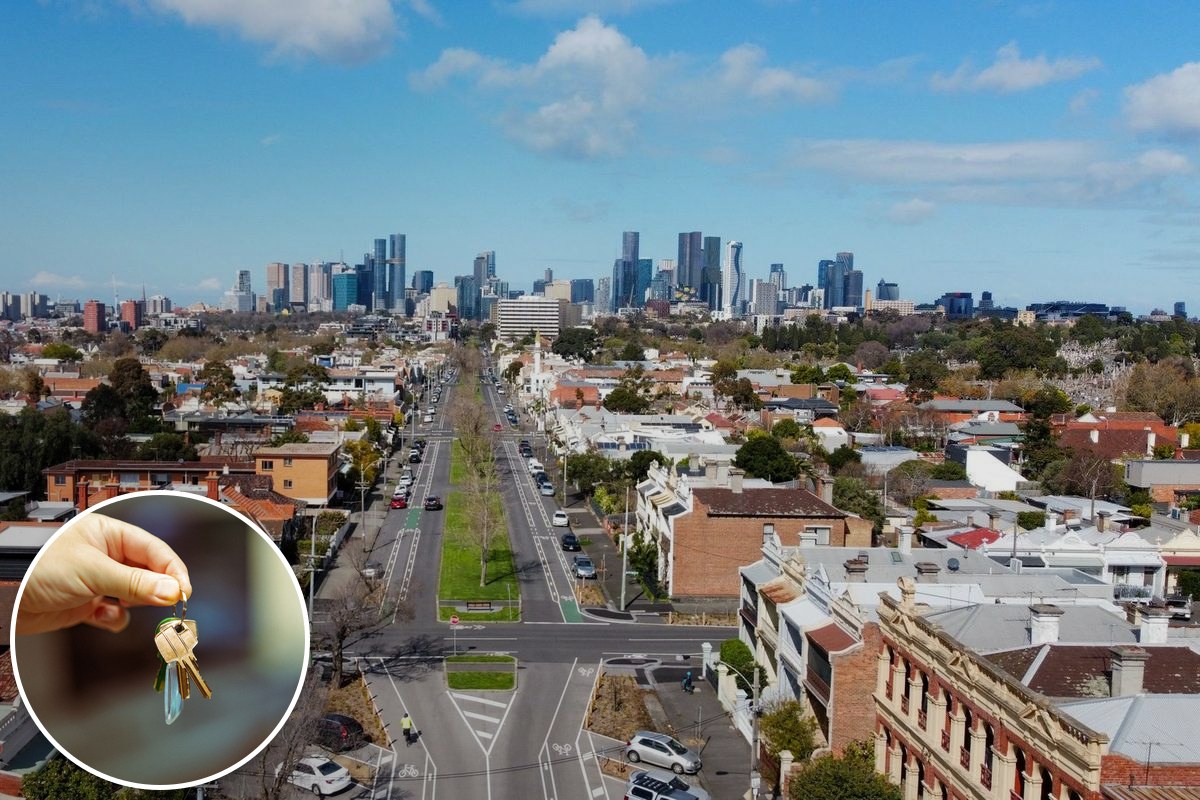
Melbourne's housing market has slipped further into reverse, with dwelling values down 1.0% in June, according to the latest Cotality Home Value Index. It was part of the sharpest national monthly decline in years, as rising costs and cautious buyers took the heat out of what had been a long property boom.
Measured as at 30 June, Melbourne values fell 1.0% for the month, 2.6% over the quarter and 0.9% over the year, leaving the city's median dwelling value at $808,486. That keeps Melbourne comfortably the most affordable of the big south-eastern capitals — well below Sydney's median of $1,265,608 — but firmly among the markets now heading backwards.
Nationally, Cotality's index dropped 0.4% in June, which the firm said was the largest month-on-month fall since December 2022. A 1.2% decline in Sydney was the biggest single drag on the headline figure, with Melbourne following closely and values in the ACT also easing.
Cotality's research director, Tim Lawless, said the softening was "attributable to an array of downside factors" — among them higher interest rates, cost-of-living pressure, deeply pessimistic sentiment and property-taxation changes announced in the federal budget. Taken together, he said, they had cooled demand across most of the country.
The shift has also handed some power back to buyers. With more homes listed for sale and fewer bidders competing for them, purchasers have "more stock to choose from and less urgency in their decision-making," Mr Lawless said — a marked change from the frantic, fast-moving auctions that defined Melbourne's market at the peak.
For renters, though, there is little relief. Even as values fall, rents have kept climbing: Melbourne rents rose 4.8% over the past year, squeezing tenants who cannot yet afford to buy while would-be first-home owners wait to see how far prices slide. It is the awkward combination — cheaper to buy on paper, dearer to rent in practice — that has come to define the current market.
Whether the June result proves a brief wobble or the start of a longer slide will depend heavily on interest rates and confidence over the second half of 2026. For now, the message from the data is clear enough: after years of relentless growth, Melbourne's housing market has entered a cooler, more cautious phase.