The City of Melbourne has launched a new food relief program aimed at getting surplus fresh produce to the people who need it most, as the council warns that nearly one in two inner-city residents now struggle to feed themselves and their families.
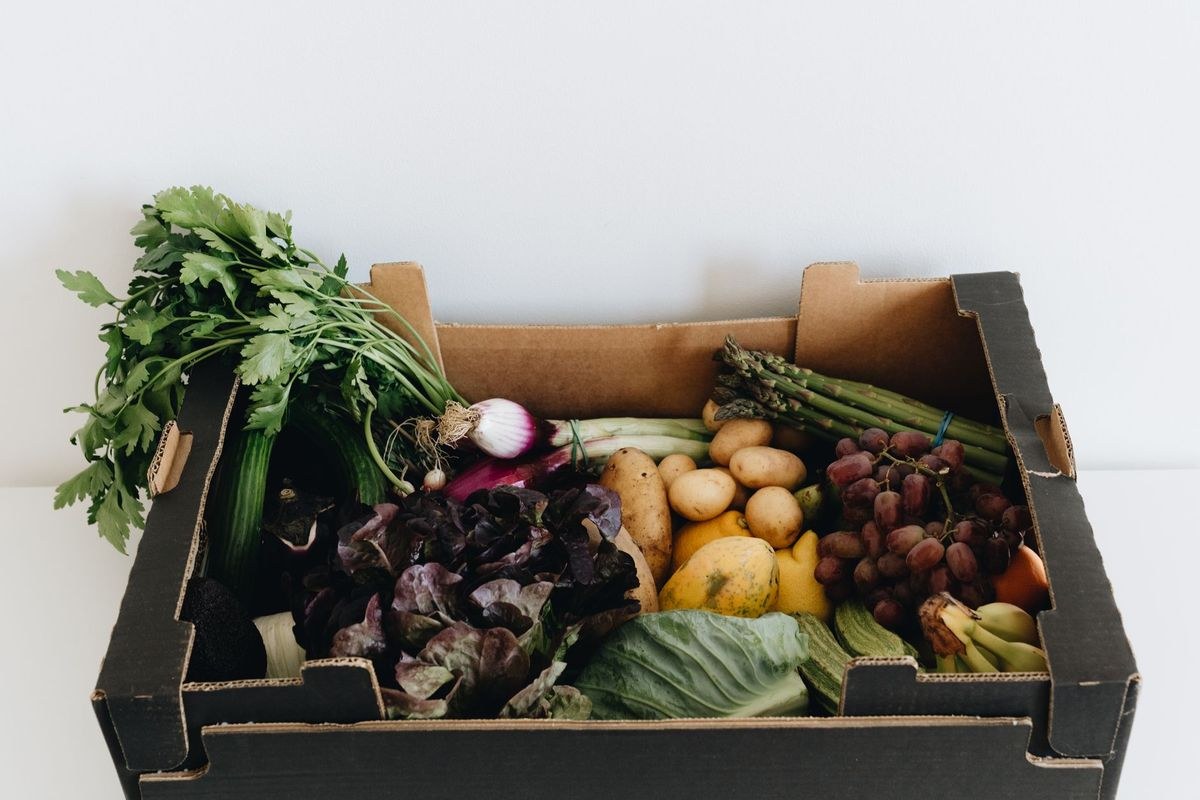
At the heart of the scheme is the Queen Victoria Market — the largest open-air market in the southern hemisphere and the city's single biggest source of fresh produce. Each year the market generates up to 800 tonnes of surplus food and organic material, about the weight of 30 Melbourne trams. Under the program, market traders and food relief providers will work together so that surplus ends up on people's plates rather than in waste.
Social enterprise STREAT will sort and grade the donated food onsite at the market before SecondBite delivers it to local food relief providers, who then hand it on to the community through the Melbourne Food Rescue Network.
For the people running Melbourne's food pantries, the need has rarely felt greater. Mary-Anne, from the West Melbourne Baptist Church and Community Centre, has spent the past three years working alongside dozens of volunteers. "More and more people are turning to our programs and services to access free food and community meals, and the produce in our community food pantry is disappearing faster than we can replenish it," she said.
The squeeze, she says, is now reaching households that once would never have needed help. "I've had mothers and fathers who are employed come to us because they struggle to put affordable food on their tables," Mary-Anne said. "Sometimes a choice needs to be made between paying a bill and buying food." According to the council, almost one in three residents skipped meals last year or worried they would run out of food.
The City of Melbourne has pointed to a mix of pressures — global instability, extreme weather damaging local crops and the concentration of Australia's supermarket sector — as forces pushing fresh, healthy food out of reach. The new program is backed by the Victorian Government's Community Food Relief Local Grants Program.
The extra produce will flow to grassroots providers such as Carlton's Church of All Nations Parish Mission. "As a small organisation, we don't get a lot of funding, so this food will go a long way in helping us feed the local community," said executive officer Virginia Moebus-Nelson. She described a free fresh food market the mission runs every Thursday: "It starts at 9am but there are people lining up from 5.30am — older people, migrants and refugees from the local housing towers, mums with newborns in their arms. The food is gone within half an hour." Alongside the rescued produce, the council is expanding meal programs such as FareShare's Library Feeds, which provides free, nutritious pre-prepared meals.