Victoria is about to start pointing cameras at noise. The state government confirmed on Wednesday that the first four acoustic cameras — triggered by sound rather than speed — will go up across the Port Phillip, Casey, Knox and Stonnington council areas, and should be on the streets by the end of 2026.
How it actually works
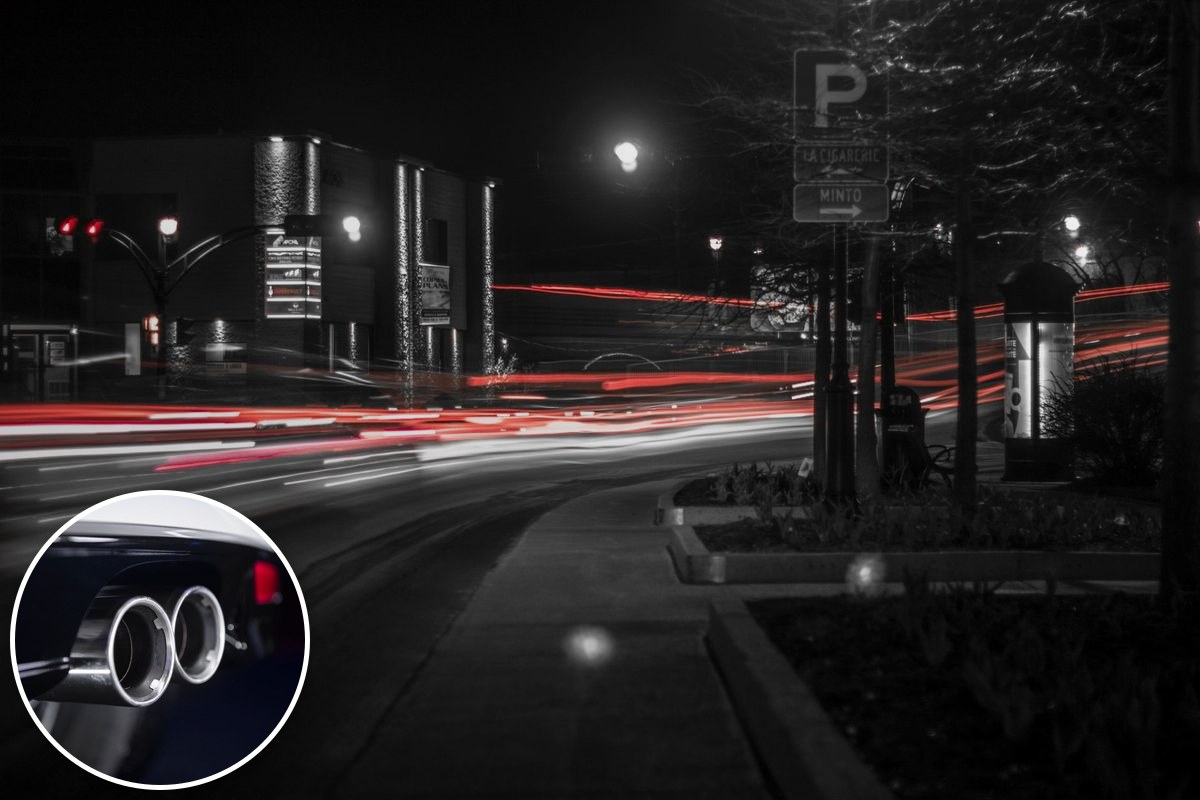
This is the part worth getting right, because it is not a speed camera. The device is triggered by excessive vehicle noise and captures images and registration details. That does not generate a fine. It gives the EPA enough to identify the vehicle and issue the owner a notice requiring them to take it to an accredited facility for a formal noise test.
If that test finds the vehicle is over the legal limit, the owner has to bring it back into compliance. The penalty arrives only for those who refuse to co-operate: fines of $1,221 for individuals and $6,105 for companies apply to people who fail to submit a vehicle for testing, or fail to fix one found to be illegally loud.
So the camera is the start of a paper trail, not the end of one. Whether that makes it more or less effective than an instant fine is the thing the trial will actually test.
Why now
Complaints have climbed steeply. Reports of noisy vehicles went from 5,404 in 2020-21 to more than 9,100 in 2025-26. In the last financial year alone the EPA issued almost 5,000 noisy vehicle testing notices and 1,222 infringement notices.
The camera sites are not being chosen at random either. The government says the hotspots were identified using reports passed from Victoria Police to the EPA — so the four council areas reflect where the complaints have been concentrated, rather than where the cameras were easiest to install.
Who is building them
The contract went to SenSen, which the government describes as a South Melbourne company, after an international tender. It is an ASX-listed business whose own pitch is built around city-operations monitoring. The EPA trial runs two years and expands from the initial four cameras to seven.
"If your car is illegally loud, expect to get it tested, expect to get it fixed - and if you don't, expect a fine," said Jaclyn Symes, the Minister for the Environment. Nina Taylor, the Member for Albert Park, framed it as a neighbourhood issue: "Hooning is dangerous to locals using their own streets and this acoustic camera trial is another great step in the right direction."
What has not been released is the granular detail: no specific streets within those four councils, no date for the expansion to seven cameras, and no published decibel figure for what the cameras treat as too loud. For anyone who lives on a street that has become a thoroughfare after midnight, the useful information for now is simply which council they are in.