Every new data centre built in Victoria will have to source its own renewable energy — with storage to match its demand — and will be banned from using drinking water, under a strategy unveiled by Premier Ben Carroll on Tuesday, the ABC reports. New centres won't be permitted near schools and childcare centres, a 150-metre buffer will apply between them and homes, and developers will pay into a local investment fund for TAFEs and parks.
The rules land amid rising community opposition to the sector's rapid build-out — including from some Labor MPs and candidates — with data centre construction an issue in several electorates before the November 28 election. The government insists it is backing the industry, pointing to $5.8 billion in capital expenditure last year, but says the growth cannot come at Victorians' expense. "If we get that right, we can all share in their economic benefits, especially the local community," Mr Carroll said.
The industry's peak body isn't convinced. Data Centres Australia chief executive Belinda Dennett called the changes "disappointing". "A blanket 150-metre setback is not tied to actual impact. It singles data centres out for a restriction that comparable industrial uses, such as warehouses and logistics facilities, do not face," she said, while acknowledging people had "legitimate questions" about development. Her case for proximity: "Data centres are critical infrastructure providing services like emergency response, air traffic control, robotic surgery and hospital services," she said. "These services need to be located close to the industries they support."
From the other side, the Victorian Greens — who have campaigned against data centres, particularly in Melbourne's inner west, and want a moratorium — claimed the scalp. Spokesperson Sarah Mansfield called the announcement a "huge win for communities who have fought tooth and nail against Labor's data centre free-for-all", said tech companies should compensate residents already living beside existing centres, and demanded the "acoustic modelling and health and environmental advice" behind the 150-metre figure. Labor, she said, had been "forced to try to rein in data centres weeks out from an election to save their seats".
Less than 1 per cent — but it 'should be zero'
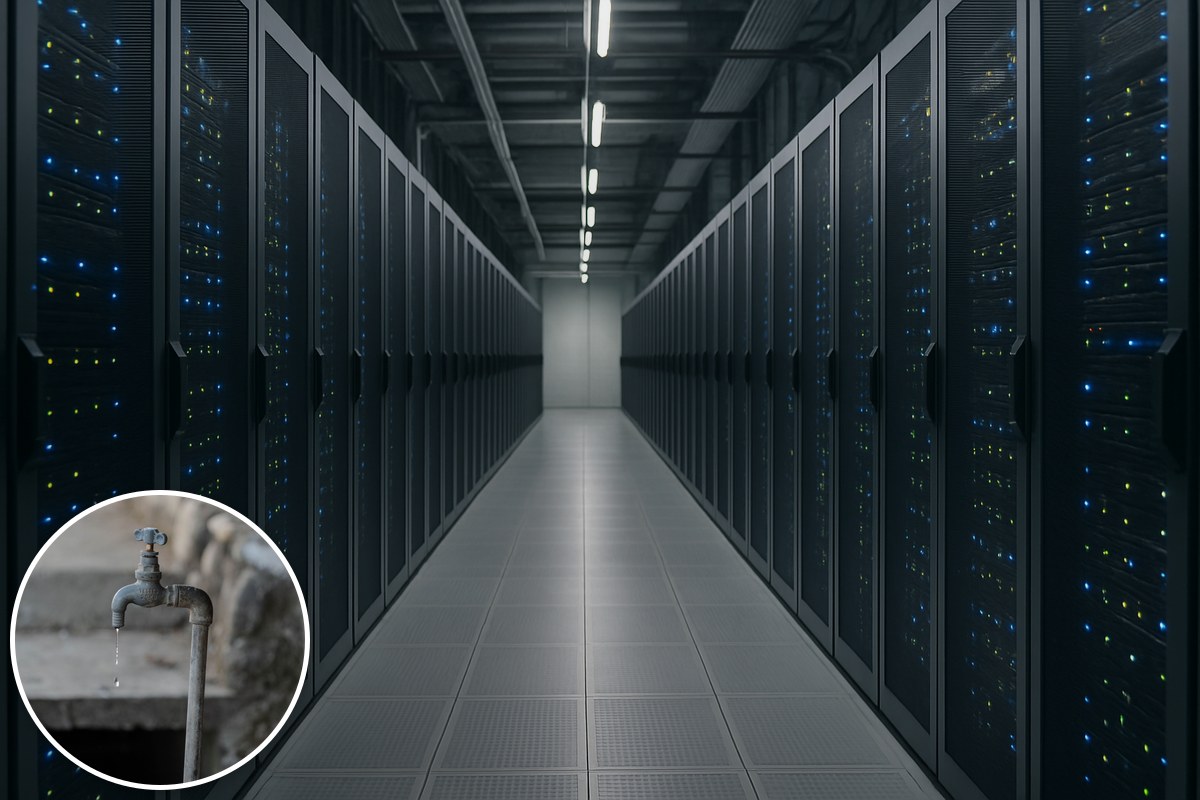
Data centres use vast amounts of water to cool their servers, and the question of whether the boom would strain drinking supplies has dogged the sector. The government says less than 1 per cent of the state's drinking water currently goes to data centre cooling — but concedes it should be zero. The new rules require recycled or other non-drinking sources, with developers forced to find offsets where they can't comply.
Fifty and counting, mostly in the west
The scale is the story's engine. Victoria has fast-tracked multiple data centre applications under its Development Facilitation Program, which lets companies bypass councils and apply straight to the planning minister — NextDC's $1 billion Port Melbourne centre was approved within 75 days earlier this year. Nationally there were 162 data centres with 1.5 gigawatts of combined IT capacity as of March, on Data Centres Australia's figures; Melbourne is the fastest-growing market, with 50 already operating in Victoria, concentrated in the city's west — and the state's data centre energy consumption is set to quadruple by 2030. "Companies like Amazon and Microsoft choose to invest in Victoria. That will continue within sensible guardrails," said Anthony Carbines, recently appointed the state's first minister for artificial intelligence and the digital economy.
The west is where the friction is sharpest. Earlier this month, distributor Jemena paused the installation of 15-metre-high high-voltage poles in the inner west after fierce resident backlash — poles designed to carry increased loads, particularly for NextDC's West Footscray data centre, and opposed by Maribyrnong council, which accused Jemena of failing to consult. That centre, metres from homes, has come under fire over air pollution from its back-up diesel generators, its constant hum, and plans to expand. A Senate inquiry into AI and data centres holds hearings in Melbourne on Wednesday, and dozens of already-approved projects are expected to escape the federal government's proposed restrictions after Canberra failed to land a national scheme.
The strategy answers one question — what Victoria will ask of the next data centre — and leaves the campaign to argue the other: what, if anything, is owed to the streets already living beside the last 50.