Melbourne is about to decide which of its neighbourhoods get a new park, and most people have not noticed it is happening. Voting in the state's Pick My Park program closes at 4pm on Monday 3 August, and it is an unusually direct piece of democracy: the projects with the most votes in each region are the ones that get built.
The program is worth $30 million, aimed at growing communities with the least access to open space. It splits into two kinds of project — upgrades that improve or revitalise an existing park, and new parks made by turning underused land into green space.
The rules for voting are refreshingly simple. Any Victorian resident aged over 16 can take part, and each person picks their three favourite park projects. Voting opened on 20 June and has been running quietly through the winter since.
Melbourne's entries are grouped into five regions — Eastern, Inner Melbourne, Northern, Southern and Western — and the count is done region by region, so a project is competing with others near it rather than against the whole state. In practice that means a modest number of votes in your own area can matter more than it would in a statewide poll.
This is the second round. The first invested $17.8 million, which delivered 14 new parks and 83 upgrades across the state — a reasonable indication that the votes translate into actual construction rather than a consultation that quietly disappears. In this round, five regional projects have already been awarded funding, taking total regional investment past $3.9 million.
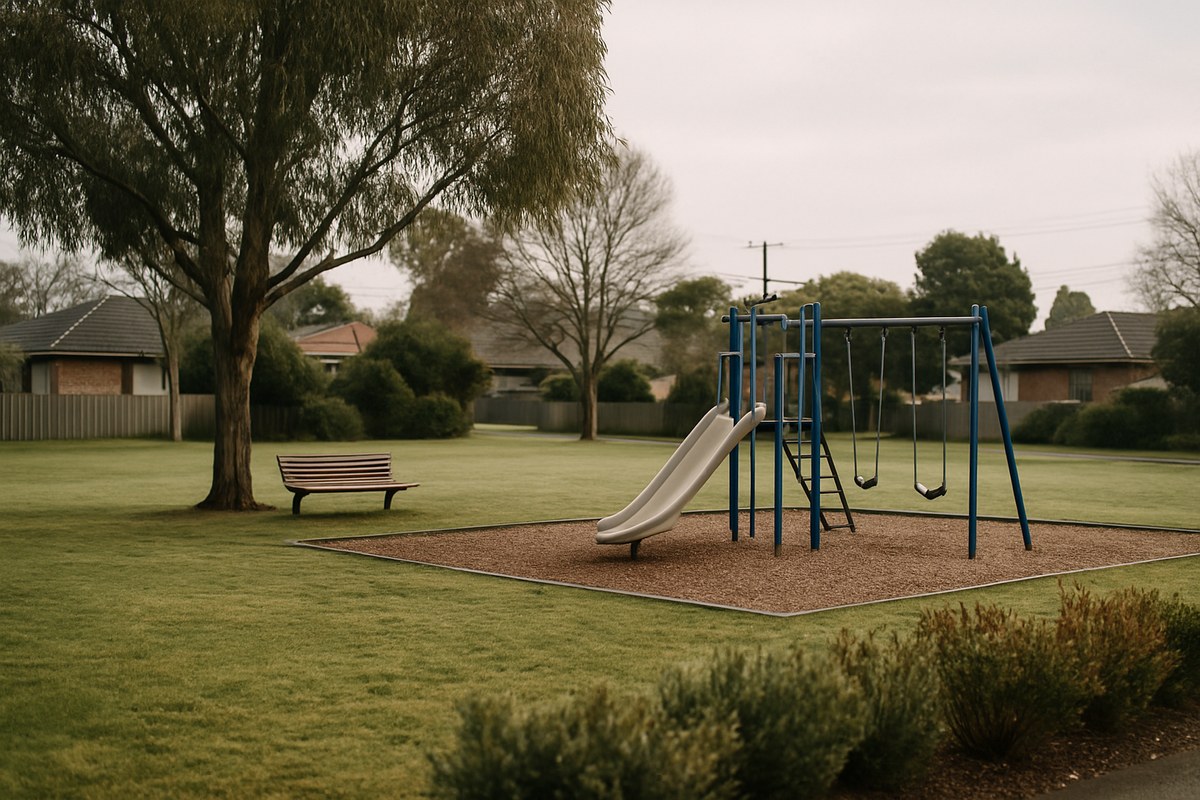
What is on offer at the local level is the unglamorous infrastructure that decides whether a park gets used: playgrounds, barbecues, shade, seating, better paths and accessibility upgrades, fitness equipment, landscaping and tree planting. None of it makes headlines individually. Collectively it is the difference between a patch of mown grass and somewhere people actually spend a Saturday.
It also lands in a city that trades on exactly this. Melbourne's standing as one of the world's most liveable cities rests substantially on public space, and the suburbs adding the most residents are frequently the ones with the least of it.
Projects are listed by region on Engage Victoria, where you can read what each one proposes before casting your three votes. It takes a few minutes, and unlike most consultations, this one ends in a decision — at 4pm Monday.