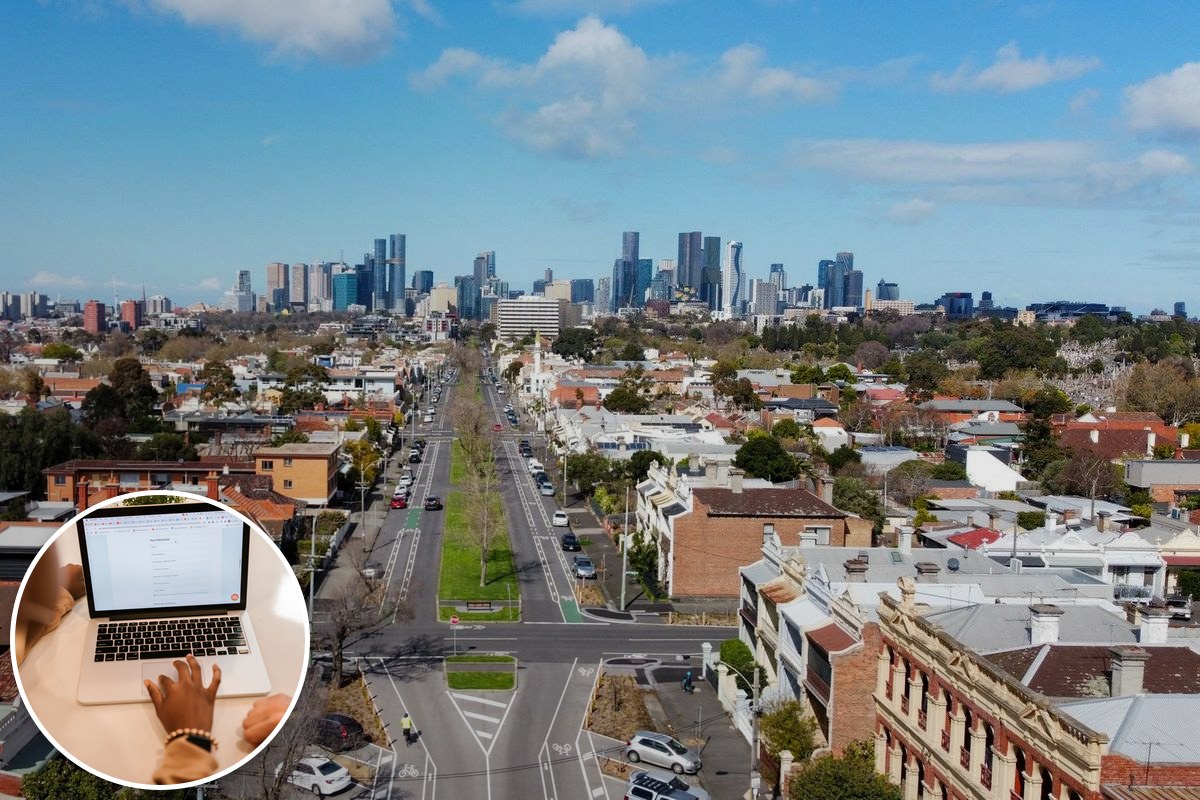
Tomorrow night is Census night. The Australian Bureau of Statistics has set it for Tuesday 11 August 2026 — five years and a day after the last one, which fell on 10 August 2021 — and the online form is already open, with the ABS website currently leading with the instruction to complete it.
Most of the form will feel familiar. One part of it will not.
The one new topic
For the first time, the Census asks about sexual orientation and gender. The topics and data release plan puts it plainly: "Following a comprehensive review, the Census will now include new questions on sexual orientation and gender for individuals aged 16 years and over." The ABS says the additions will "support more inclusive policy development and service delivery for Australians".
It is the only new topic in the 2026 Census — everything else that has changed is a modification to a question that was already there.
What else has shifted
Several of those modifications are small but will be noticed by the people they affect. Respondents can now report up to four ancestries, double the previous limit. The third response option on the sex recorded at birth question has been enhanced, with the options listed as male, female, or another term. The wording of the questions about parents' country of birth has been updated.
There is also a change that quietly acknowledges how the commute has altered: in the mode of travel to work question, the "Bicycle" category has been expanded to include e-bikes. Anyone who has watched the bike lanes on a Melbourne morning will recognise why that mattered.
One question has gone. The number of children ever born question is not in the 2026 Census; the ABS says it will return "to a once-per-decade collection in the 2031 Census".
Why it matters locally
The abstraction of a national headcount tends to obscure what the data actually does. The ABS is direct about it: Census data "informs important decisions about transport, schools, health care, infrastructure and business", and helps plan local services for individuals, families and communities. Knowing how many people live where is what tells governments where doctors are needed, and what languages the services around them should be delivered in.
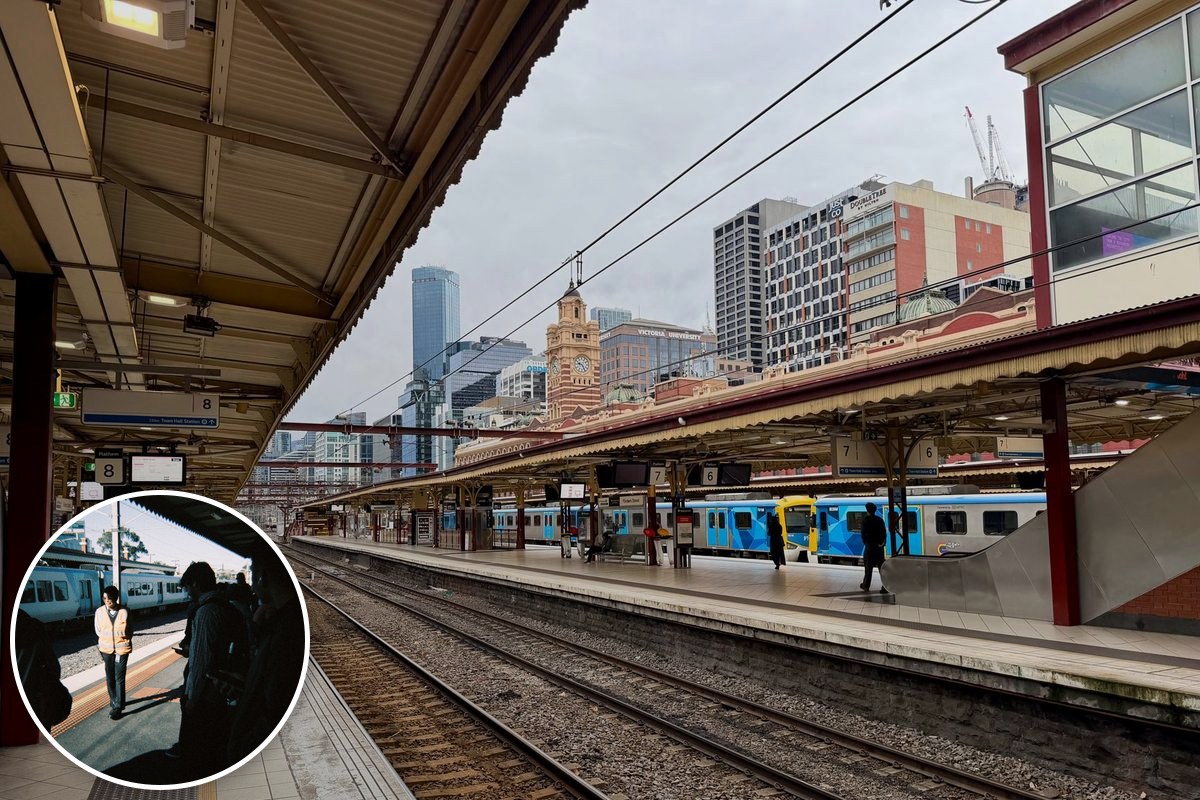
That is not theoretical in this city. The kind of population data collected tomorrow night is the raw material behind decisions like the train timetable rewrite starting on 23 August and the rebuild of the state's busiest emergency department in the northern suburbs — both of them responses, in the end, to where Melburnians turned out to be living.
On privacy, the ABS statement is unambiguous: "The information provided on a Census form is confidential. The ABS will never release information in a way that can identify any individual or household."
When you will see the results
Not for a while. The data comes out in three phases: most topics in June 2027; a smaller set including employment data in October 2027; and the remainder — including the distance people live from where they work — in early 2028. It will be published through QuickStats, TableBuilder and the new ABS DataMaps.
"We will make Census results freely available across a range of products making it easier than ever for people to access and use," said Jenny Telford, the Census General Manager. Which is the long game. The short one is a form, tomorrow night, and about ten minutes of your evening.